.jpg)
Lamai Beach on Koh Samui (Photo: Shutterstock)
Thailand has a way of pulling people in. The beaches are beautiful, the food scene is legendary, and the mix of busy cities and laid-back islands makes it easy to build a trip that feels both adventurous and relaxing. For kosher travelers, Thailand has quietly become much more accessible than many people realize.
The country is warm year-round, with tropical temperatures that generally sit in the high 70s to low 90s. The most comfortable time to visit is typically November through March, when the weather is drier and humidity is lower. This is peak travel season, especially for beach destinations like Koh Samui and Phuket. April through October tends to be hotter and more humid, with occasional rain showers, although prices are often better and popular areas can feel less crowded.
Today, there are around 30 kosher restaurants across the country, with many concentrated in Koh Samui, making Thailand more kosher-friendly than many people realize. You can browse current listings in our Kosher in Thailand directory. You’ll also find active Chabad houses in Bangkok, Chiang Mai, Koh Samui, and Phuket, as well as in some lesser-known destinations like Koh Phangan and Pai. Between kosher dining, Shabbat meals, minyanim, and help with local logistics, travelers have real support on the ground.
Whether you’re planning a few days in Bangkok, beach time in Koh Samui or Phuket, or something a little more off the beaten path, Thailand offers a surprisingly comfortable kosher travel experience. This guide walks you through where to find kosher food, what each region offers, and practical tips to help you plan a smooth and enjoyable trip.
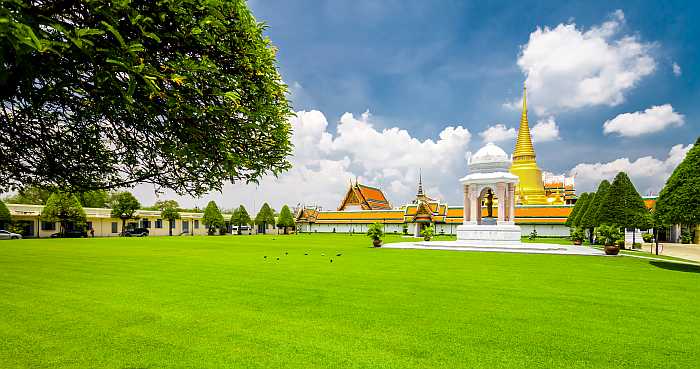
Grand Palace in Bangkok (Photo: Envato)
Bangkok
Attractions | Kosher & Jewish Life
Bangkok is a city of contrasts in the best possible way. Glittering skyscrapers sit next to centuries-old temples, busy street markets spill into modern shopping centers, and quiet canals cut through the middle of nonstop urban energy. It’s loud, colorful, chaotic, and endlessly interesting, especially for first-time visitors to Southeast Asia.
From a kosher and Jewish life perspective, Bangkok remains one of the main hubs in the country. The city has one main Chabad house, along with two additional synagogues that are affiliated with Chabad, offering regular minyanim, access to kosher food, and community services including a mikveh. Bangkok is especially popular with Israeli backpackers, and it’s not unusual for large numbers of travelers to pass through the Jewish centers on busy days.
Chabad of Bangkok operates a dairy café, meat restaurant, bakery, and kosher shop, making it a reliable base for travelers who want easy access to kosher food and community resources while exploring the city.
Chabad of Bangkok operates a dairy café, meat restaurant, bakery, and kosher shop, making it a reliable base for travelers who want easy access to kosher food and community resources while exploring the city.
Top Attractions
The Grand Palace
A historic royal complex and one of Bangkok’s most recognizable landmarks. Expect impressive architecture and detailed temples.
Tip: Shoulders and knees must be covered. Cover-ups are easy to buy nearby if needed.
Khao San Road
A lively backpacker hub packed with shops, bars, live music, and nonstop people-watching. Even if you’re not staying nearby, it’s a fun place to wander and take in the atmosphere.
Chatuchak Market
One of the world’s largest markets, with thousands of stalls selling clothing, home goods, antiques, and souvenirs. Wear comfortable shoes and plan to spend a few hours exploring.
Jim Thompson House
A beautifully preserved traditional Thai home and museum that offers insight into Thai architecture and the story behind the country’s silk industry.
.jpg)
Elephant sanctuary in Chiange Mai (Photo: Shutterstock)
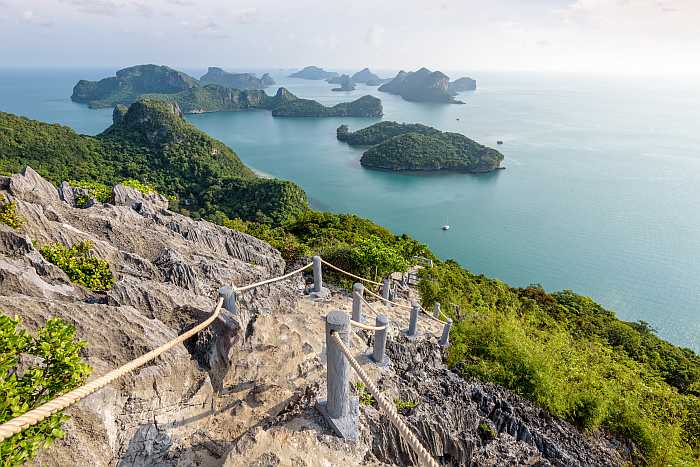
Mu Ko Ang Thong National Marine Park in Koh Samui (Photo: Envato)
Chiang Mai
Attractions | Kosher & Jewish Life
Set in the mountains of Northern Thailand, Chiang Mai feels calmer and more relaxed than the busy southern cities. It’s known for temples, outdoor scenery, and a slower pace, and the weather is noticeably cooler than much of the country, especially from November through February, which makes it a popular time to visit.
Chabad of Chiang Mai supports travelers with Shabbat services and meals by advance reservation, along with access to kosher food. The Chabad House also operates a small Israeli-Thai restaurant, which helps make longer stays more comfortable for kosher travelers. While the kosher footprint here is much smaller than in Bangkok or the islands, it works well for travelers who plan ahead and coordinate in advance.
Top Attractions
Doi Inthanon National Park
Often called the highest point in Thailand, this national park is known for waterfalls, cloud forests, hiking trails, and scenic viewpoints. It’s a great day trip for nature lovers.
Chiang Mai Night Bazaar
A lively evening market filled with crafts, clothing, souvenirs, and street performers. It’s a fun place to browse and people-watch, even if you’re not shopping.
Chiang Mai Zoo
Located on the lower slopes of Doi Suthep, the zoo is large and family-friendly, with a wide variety of animals and open spaces.
Mae Sa Elephant Sanctuary
A popular stop outside the city where visitors can observe elephants and learn about conservation efforts. Choose ethical sanctuaries that prioritize animal welfare.
Mu Ko Ang Thong National Marine Park in Koh Samui (Photo: Envato)
Koh Samui
Attractions | Kosher & Jewish Life
Koh Samui is a tropical island in the Gulf of Thailand known for its palm-lined beaches, clear water, and easygoing pace. It’s the kind of place where days naturally slow down, whether you’re spending time on the beach, swimming, or hopping between small towns and viewpoints around the island. It works well both as a standalone beach vacation and as a relaxing stop after touring other parts of Thailand.
From a kosher perspective, Koh Samui is currently the strongest destination in Thailand. The island has an active Chabad house with daily minyan, Shabbat services, and a mikveh, along with both meat and dairy restaurants operated by Chabad. Beyond that, there are more than a dozen kosher restaurants on the island, offering a wide range of cuisines including Asian, Mediterranean, Italian, and Israeli. For many travelers, this level of choice makes Koh Samui feel unusually comfortable for kosher dining in Southeast Asia.
Top Attractions
Chaweng Beach
One of the island’s most popular beaches, known for its long stretch of sand, swimming, and lively atmosphere.
Hin Ta and Hin Yai Rocks
Also known as Grandfather and Grandmother Rocks, these unusual rock formations are a quick and interesting stop along the coast.
Na Muang Waterfall
A scenic jungle waterfall with shaded walking paths and natural pools that are especially refreshing on warm days.
Ang Thong Marine Park
A protected group of islands just offshore, popular for boat trips, snorkeling, and dramatic limestone scenery.
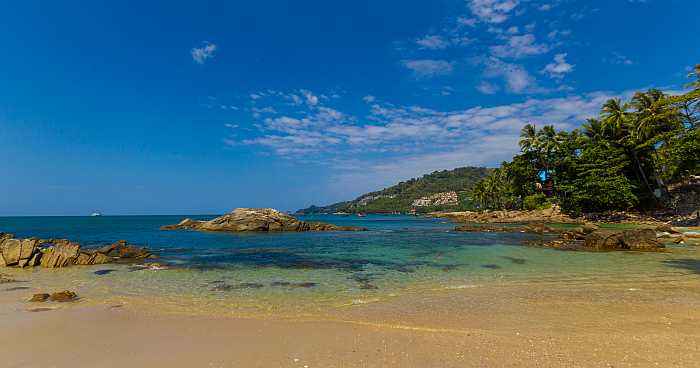
Patong beach in Phuket (Photo: Envato)
Phuket
Attractions | Kosher & Jewish Life
Phuket is Thailand’s largest island and one of its most popular beach destinations. It’s known for long sandy beaches, water sports, resort areas, and an energetic nightlife scene in certain parts of the island. The weather is tropical year-round, with November through February generally being the driest and most comfortable months to visit. When swimming, it’s important to pay attention to posted warnings about rip currents, especially during monsoon season.
Phuket has an active Chabad house that supports travelers with Shabbat services and meals by advance registration, a mikveh, and both meat and dairy restaurants, along with a small makolet. There are also a handful of other kosher dining options on the island, including sushi, pizza, and a few Israeli-style restaurants. While the kosher scene is smaller than in Koh Samui, it works well for travelers who plan ahead.
Top Attractions
Patong Beach
The island’s busiest beach area, known for swimming, water sports, and a lively entertainment scene.
Old Phuket Town
A charming historic district with colorful Sino-Portuguese buildings, cafés, galleries, and local markets.
Phang Nga Bay
Famous for dramatic limestone cliffs and emerald water. Popular for boat trips, kayaking, and island hopping.
Big Buddha
A massive hilltop statue offering wide views across the island and surrounding coastline.
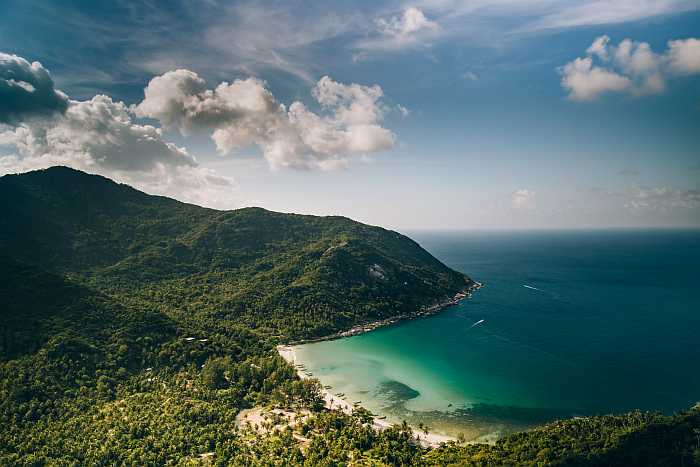
Beach on Phangan Island (Photo: Envato)
More Places to Find Jewish Life in Thailand
Beyond Bangkok, Chiang Mai, Koh Samui, and Phuket, there are a few smaller destinations where travelers can still find some level of Jewish community support. These locations tend to appeal to backpackers, long-stay travelers, or visitors already moving through nearby regions rather than those planning a full kosher-focused stay.
Koh Phangan
Located a short ferry ride from Koh Samui, Koh Phangan offers a more relaxed island atmosphere with beautiful beaches and quieter beach towns. The island has an active Chabad presence, including a meat restaurant and a kosher market, along with Shabbat services depending on the season and demand. There is also a kosher bakery on the island. While the kosher footprint is smaller than in Koh Samui, it’s strong enough to comfortably support travelers who prefer a calmer island setting.
Pai
Pai is a small mountain town in Northern Thailand that attracts travelers looking for nature, hot springs, and a slower pace. Chabad of Pai is active and offers Shabbat meals by advance reservation, which makes it a viable stop for travelers who plan ahead. Outside of Shabbat arrangements, kosher options are limited, so Pai works best as a short stay or as part of a flexible itinerary.
Pattaya
Pattaya is a beach city within easy reach of Bangkok and is sometimes added as a short side trip rather than a main destination. Jewish services may be available depending on timing and demand, but kosher infrastructure is modest compared to the main hubs and island destinations.
These destinations can add variety to a Thailand itinerary, but they are best approached with realistic expectations and some advance planning, especially when it comes to kosher food and Shabbat arrangements.
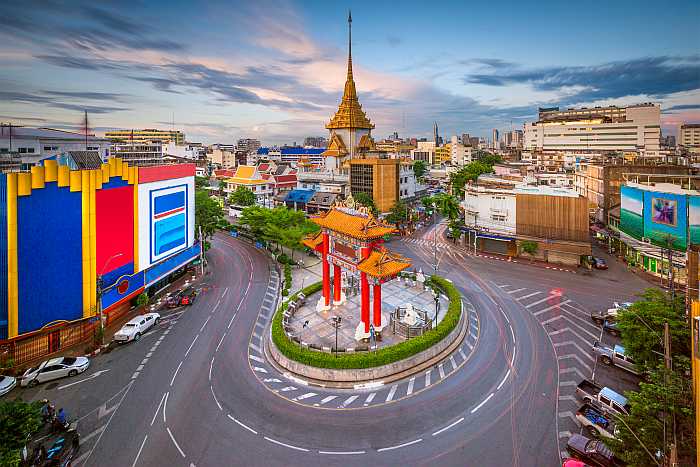
Chinatown in Bangkok (Photo: Envato)
Conclusion
Thailand has long been a favorite destination for Israeli backpackers, especially on post-army trips, and over the years it’s steadily grown into a much more mainstream option for kosher travelers as well. With more kosher restaurants, active Chabad houses, and a growing Jewish travel community, it’s easier today to plan a kosher-friendly trip here than it was even a few years ago.
Bangkok offers the strongest Jewish infrastructure and makes a great entry point into the country. Chiang Mai adds cooler weather, mountain scenery, and a slower pace. Koh Samui now stands out for having the largest concentration of kosher restaurants in Thailand, which makes island travel feel surprisingly comfortable. Phuket remains a popular beach destination with solid support if you plan ahead. And for travelers who like to wander a little further, places like Koh Phangan and Pai open up even more options with the right expectations.
Like any destination where kosher travel is still evolving, a bit of advance planning goes a long way. Confirm what’s available, coordinate Shabbat arrangements when needed, and stay flexible. Do that, and Thailand can be a really rewarding place to explore, especially if you’re looking for something a little different than the usual kosher travel routes.
Looking ahead to Pesach 2026, Vered Holidays is running a Passover program at the Sheraton Resort and Spa in Hua Hin, Thailand. Learn more about the program details, dates, and what’s included.
Looking ahead to Pesach 2026, Vered Holidays is running a Passover program at the Sheraton Resort and Spa in Hua Hin, Thailand. Learn more about the program details, dates, and what’s included.