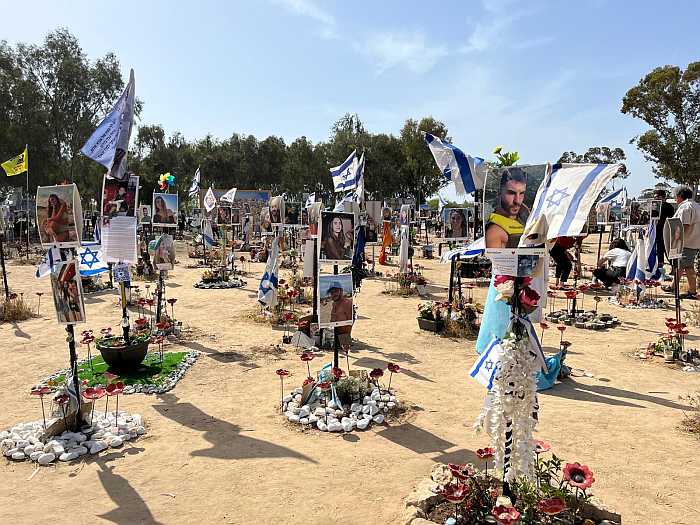
Nova music festival memorial site
In the weeks leading up to Pesach, travel to Israel was extremely unpredictable. With the war with Iran and missiles flying, flights were canceled, routes were reduced, and many travelers had to change or cancel their plans at the last minute. Foreign airlines pulled out quickly, and Ben Gurion Airport was at times closed or operating with very limited service, making it very difficult to get in and out of the country.
Now that Pesach is behind us, that uncertainty has not fully gone away. The situation is still unclear, and it is hard to know when travel will fully stabilize or when international airlines will return in a consistent way.
At the same time, with summer approaching, many people are already thinking about coming, whether for a vacation, volunteering, or family smachot. There is a strong pull to be here, especially during times like this, and the hope is that flights remain steady in the weeks ahead.
If you are planning a trip, flexibility is important. Based on what we saw over the past month, it is still best to book with Israeli airlines like El Al, Arkia, or Israir, which continued flying even when many international carriers canceled or suspended service.
Despite everything, the need for volunteers across Israel remains strong. Farmers still need help in the fields, soldiers continue to rely on support and supplies, and hospitals and rehabilitation centers welcome visitors who simply show up to offer encouragement. Whether you are able to plan a trip now or are waiting for things to settle, there are still many meaningful ways to help.
Now that Pesach is behind us, that uncertainty has not fully gone away. The situation is still unclear, and it is hard to know when travel will fully stabilize or when international airlines will return in a consistent way.
At the same time, with summer approaching, many people are already thinking about coming, whether for a vacation, volunteering, or family smachot. There is a strong pull to be here, especially during times like this, and the hope is that flights remain steady in the weeks ahead.
If you are planning a trip, flexibility is important. Based on what we saw over the past month, it is still best to book with Israeli airlines like El Al, Arkia, or Israir, which continued flying even when many international carriers canceled or suspended service.
Despite everything, the need for volunteers across Israel remains strong. Farmers still need help in the fields, soldiers continue to rely on support and supplies, and hospitals and rehabilitation centers welcome visitors who simply show up to offer encouragement. Whether you are able to plan a trip now or are waiting for things to settle, there are still many meaningful ways to help.
This guide brings together reliable volunteer opportunities, WhatsApp groups, and organizations coordinating support on the ground. Things can change quickly, and many opportunities come up with little notice, so staying updated is key. I still recommend checking the Swords of Iron – Israel Volunteer Opportunities website and their active Facebook group—they post real-time needs, last-minute calls for help, and updated logistics. Things can change quickly, and many volunteer requests come with only a day or two’s notice.
This guide won’t cover every single opportunity, but it will give you a strong starting point as you plan a trip that combines support, solidarity, and meaningful connection with Israel this winter.
Important Update on Travel to Israel
As you plan your journey to volunteer in Israel, it’s crucial to note the new entry requirements. As of January 1, 2025, all visitors from visa-exempt countries are required to secure an Electronic Travel Authorization (ETA-IL) prior to their travel. This applies to anyone entering Israel, including volunteers. The ETA-IL can be obtained online and is valid for up to 90 days per visit.
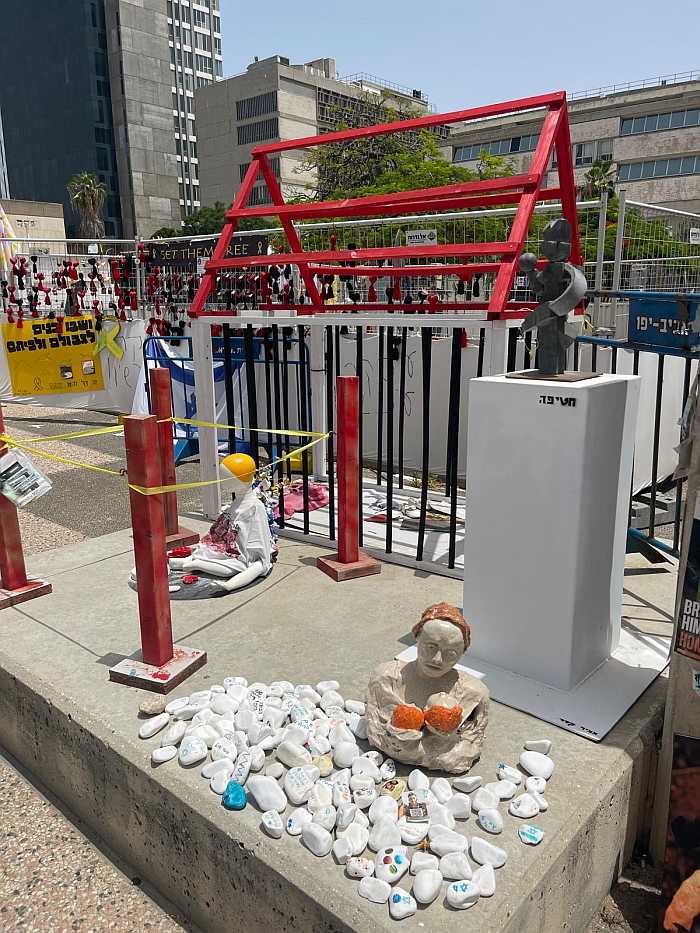
Hostage square in Tel Aviv when it served as a central place of solidarity
Organized Missions to Israel
Since the war began, organized missions have made it much easier for people to come to Israel, volunteer, and show their support. Local communities, synagogues, and Jewish Federations continue to run trips for their members, and national organizations offer both solidarity and volunteer-focused missions—many combining a mix of the two. These trips are ideal for anyone who wants to help but doesn’t want to coordinate every detail on their own.
Now that the north has reopened, missions are running across the country and adapting to the changing needs on the ground. Each mission is structured differently, so it’s important to review what’s included before signing up. Some cover flights, meals, and accommodations, while others only handle the on-the-ground logistics. Most do not include medical or travel insurance, so be sure to purchase your own coverage before traveling.
Some organized missions include:
-
Jewish National Fund
-
World Mizrachi
- Keren Hayesod - United Israel Appeal
-
Authentic Israel
- Volunteers for Israel (VFI)
American cowboys saddle up to help Israel in hour of need
Farming and Agriculture Volunteer Opportunities
There are numerous volunteer opportunities available to help farmers. Many farmers were called to reserve duty, and a significant number of farm workers, who were foreign nationals, either left at the start of the war or can no longer enter the country. This has led to a shortage of labor on farms. Thankfully, both Israelis and international volunteers have stepped up significantly to sustain the agriculture of Israel.
Volunteering on farms involves a range of activities including picking ripe produce, pulling weeds, planting new crops, sorting and packaging harvested goods, and pruning plants. If you are working outdoors, it is important to dress appropriately: wear long pants and sleeves, even in hot weather, to protect yourself from the sun and scratches. Always wear a hat and carry plenty of water. It's advisable to check the specific activities you will be engaged in beforehand so you can dress accordingly. Some farm tasks require considerable physical activity and hydration, so make sure the work is suitable for you.
Some farming opportunities include:
-
Israel Food Rescue
-
Leket Israel
-
Israel Microgreens
- Check Facebook and WhatsApp group for more farm and agricultural volunteer opportunities
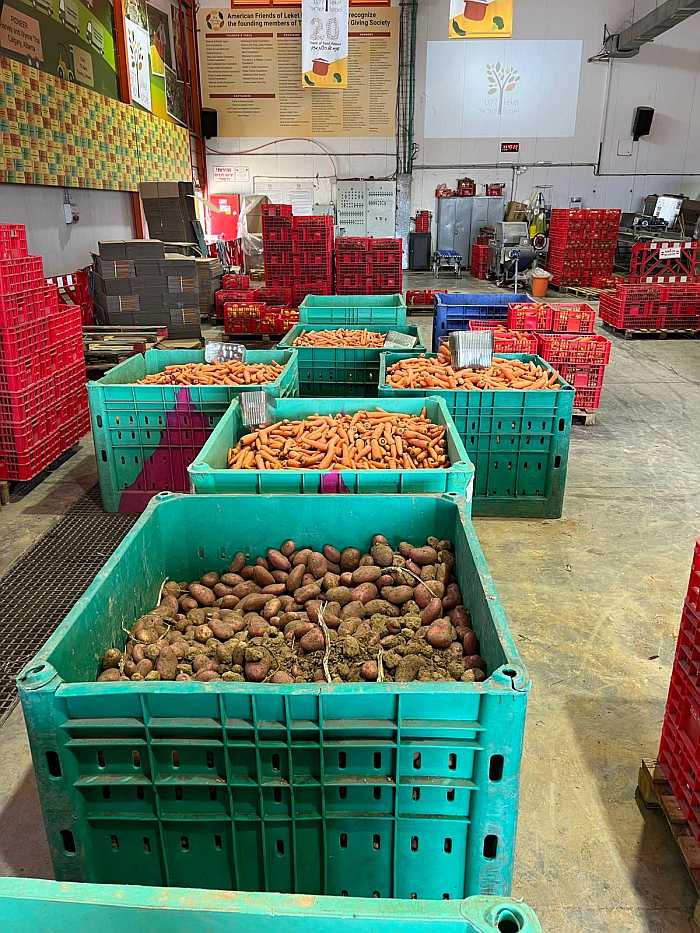
Sorting and packing at Leket Israel's logistics center
Food Packing
Numerous organizations in Israel support needy families, and more than two years into the war many have expanded their efforts to provide ongoing assistance to soldiers and low-income communities affected by the conflict. These groups rely heavily on volunteers to help pack food boxes, sort supplies, and prepare deliveries.
Food-packing is a great option for families, as it accommodates all ages—from young children to grandparents—and is typically done indoors, making it a convenient activity during the winter months. It’s hands-on, meaningful, and gives volunteers a real sense of contributing in a tangible way.
Some food packing opportunities include:
-
Pantry Packers
-
Ohr Meir & Bracha
-
Tachlit food packaging
- Eran's Angels - packing food and equipment - located in Tel Aviv
- Chamal Ben Yehuda 86 (Tel Aviv): The Ichud Shivat Zion Community together with The Italian Minyan has opened a command center in the synagogue's basement where over a hundred volunteers have come to help collecting, sorting and loading truckloads of essential supplies for soldiers and citizens on the front.
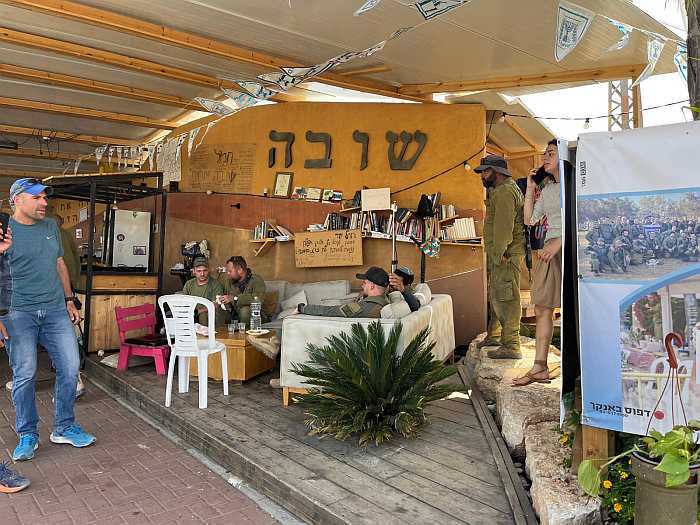
Volunteer at the Shuva rest stop
Rebuilding the South
There are options for both day trips and week-long trips aimed at helping to rebuild communities in the south. Volunteers can participate in activities such as rebuilding and painting classrooms, playgrounds, and social halls. These trips often include a tour of the Nova site, Sederot, and the Shuva Achim rest stop. Additionally, you can choose to volunteer independently at the Shuva rest stop, serving soldiers who pass through. The JNF offers day trips that focus on either assisting farmers or helping to rebuild the communities in the south. These opportunities are a great way to directly help restore and improve important community facilities.
Some volunteer opportunities to help rebuild the south:
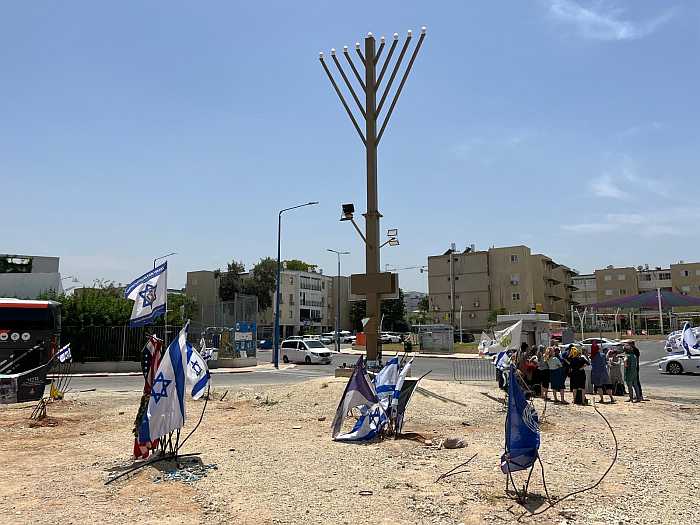
Memorial at site of the police station in Sderot
Visiting Wounded Soldiers in Rehab and Hospitals
Unfortunately, even more than two years into the war, many soldiers are still recovering from serious injuries and often spend months in rehabilitation. Israelis and tourists alike make regular visits to wounded IDF soldiers at hospitals and rehab centers across the country, and these visits mean the world to them.
Some of the major centers include Sheba Medical Center in Ramat Gan, Soroka Medical Center in Be’er Sheva, Ichilov Hospital in Tel Aviv, and Beilinson Hospital at the Rabin Medical Center in Petach Tikvah. You don’t need an appointment—visitors can simply show up, offer a smile, and spend time chatting with soldiers who appreciate the support and distraction.
If you’re wondering what to bring, soldiers always appreciate small entertainment items like backgammon, chess, checkers, and playing cards, as well as treats such as dried fruit, fresh fruit, snacks, and candy. In the winter months, warm socks, beanies, and cozy blankets are also thoughtful options.
If you prefer a more organized experience—especially helpful during busy travel periods like Thanksgiving weekend, Chanukah, winter vacation, and Yeshiva Week—you can coordinate visits through B’lev Echad, which arranges structured hospital visits and support activities for wounded soldiers.
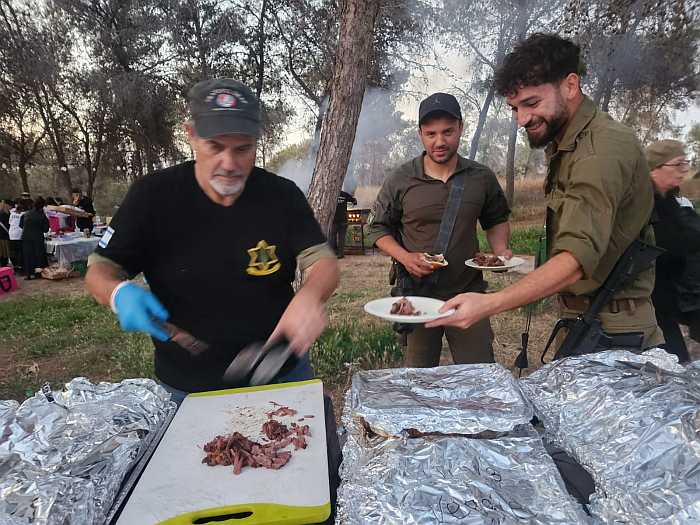
Grilling for Israel BBQ for IDF soldiers (Photo courtesy of Grilling for Israel)
BBQ for soldiers, Volunteer with the IDF & Tours of the South
A number of organizations continue to provide BBQs, hot meals, care packages, and morale-boosting events for soldiers across the country. These BBQs remain one of the most appreciated forms of support—simple, personal, and a huge boost to soldiers who have been serving for an extended period.
Many groups also organize tours of the south, including meaningful visits to sites such as the area near the Nova festival grounds, Sderot, and other communities close to the border. These tours help visitors understand the scale of what happened while also allowing them to support local businesses. Access to army bases is sometimes possible, but visits must be coordinated in advance and can be canceled at the last minute due to operational needs.
Volunteering with the IDF has also taken on new meaning since October 7th. Sar-El, which has been placing volunteers on IDF bases for decades, reports renewed demand and a stronger sense of purpose among participants who help with logistics and non-combat support tasks on base.
Some organizations providing BBQs for soldiers; tours of the south; volunteer with the IDF:
- Grilling for Israel
- Smiles for Kids
- Binyamin’s BBQ Brigade
- Volunteer on an IDF base through Sar-El
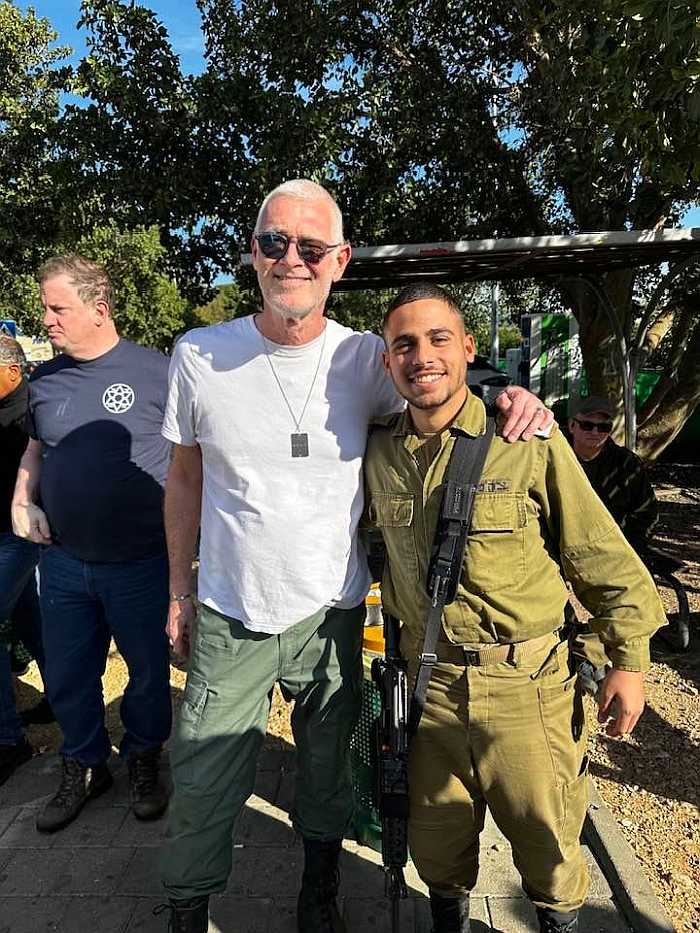
Volunteer on an army base working alongside IDF soldiers
Conclusion
There are still so many ways to help right now, and every visit makes a difference. If you’re unsure about coming this summer, speak to anyone who has been here over the past few months. They’ll tell you that showing up matters. You don’t need a perfectly planned itinerary, but it helps to do a bit of research and stay flexible, since many volunteer opportunities come together at the last minute.
This guide is just a starting point. New opportunities are constantly being added, and things can change quickly. I strongly recommend joining the Swords of Iron – Israel Volunteer Opportunities Facebook group, where you’ll find real time updates, WhatsApp groups, volunteer forms, and organized missions, sometimes even with transportation included.
If you’re planning a summer trip, keep the season in mind. Israel can be very hot, especially in July and August. Bring light clothing, a hat, sunscreen, and comfortable shoes. If you’re volunteering in the fields, expect early mornings and be prepared to get a little dusty. At the same time, try to support local businesses while you’re here. Eat out, shop, book activities, and extend your stay if you can. The economy needs it just as much as the farms and communities do.
Whether you’re coming for a few days, a family trip, or a longer visit, your presence is meaningful. It shows support, strengthens morale, and reminds people here that they are not alone.
This guide is just a starting point. New opportunities are constantly being added, and things can change quickly. I strongly recommend joining the Swords of Iron – Israel Volunteer Opportunities Facebook group, where you’ll find real time updates, WhatsApp groups, volunteer forms, and organized missions, sometimes even with transportation included.
If you’re planning a summer trip, keep the season in mind. Israel can be very hot, especially in July and August. Bring light clothing, a hat, sunscreen, and comfortable shoes. If you’re volunteering in the fields, expect early mornings and be prepared to get a little dusty. At the same time, try to support local businesses while you’re here. Eat out, shop, book activities, and extend your stay if you can. The economy needs it just as much as the farms and communities do.
Whether you’re coming for a few days, a family trip, or a longer visit, your presence is meaningful. It shows support, strengthens morale, and reminds people here that they are not alone.
If you’re traveling with children, take a look at our Guide to the Best Family-Friendly Museums for ideas that work for all ages. To cool off during the summer, check out our blog on central Israel's best water hikes for families. While the situation in the north is still uncertain and many areas are currently closed due to the ongoing war with Lebanon, you can still explore our Northern Israel guide and keep it in mind as things hopefully open up later in the summer. And if you’re spending time in the capital, don’t miss our guide to Jerusalem's Must-Visit Historical Sites and Day Trips for a deeper connection to the country’s history and culture.
Sample Itinerary: 5 Days of Volunteering and Exploration
Day 1: Tel Aviv - Reflection & Resilience
Begin in Tel Aviv. With Hostage Square now dismantled, visit the October 7 exhibit at ANU – Museum of the Jewish People for meaningful context and reflection. Spend time walking around Tel Aviv to experience everyday life, and, if available, take part in a local volunteering activity such as food packing or community support.
Day 2: Volunteer Food Packing
Join a local organization to help pack food that will aid needy families, evacuees, and soldiers across Israel.
Day 3: Tour the South
Visit significant sites including the Nova Festival memorial, the “Car Graveyard”, and Sderot. Volunteer at the Shuva rest stop and end the day with a BBQ event for soldiers, offering a chance to interact directly with those on the front lines.
Day 4: A Day in Jerusalem
Spend a day exploring Jerusalem, taking in its rich history and vibrant culture. This is a day for personal reflection and exploring the heart of Israel.
Day 5: Volunteer on a Farm
Conclude your trip with hands-on help at a local farm, aiding in tasks such as planting, harvesting, and general upkeep. This is a chance to contribute to Israel's agricultural efforts directly.
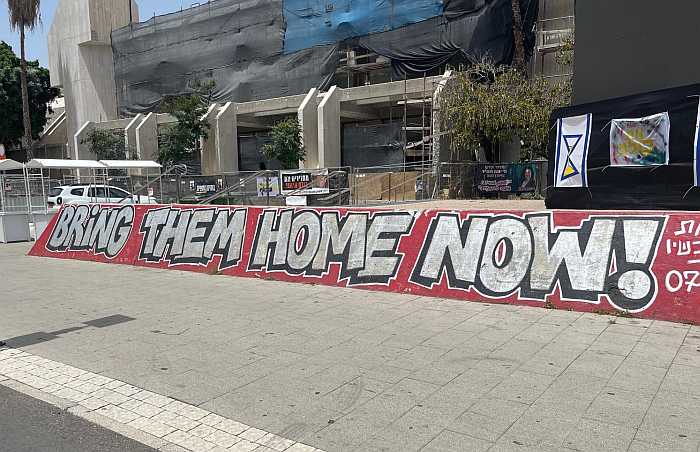
Bring Them Home Now’ graffiti at Hostage Square in Tel Aviv, photographed in the period following October 7