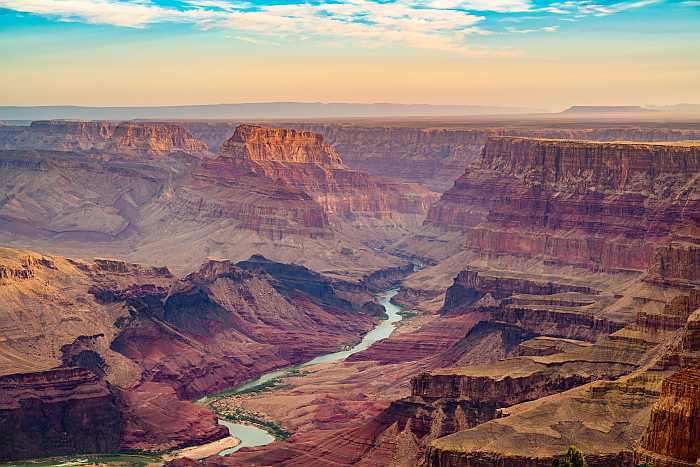
Grand Canyon National Park (Photo: Envato)
The U.S. is home to 63 national parks, each one a protected slice of nature managed by the National Park Service. Some are known for waterfalls, others for canyons, geysers, or dramatic coastlines, but a handful consistently draw the biggest crowds. According to the updated list of the most visited U.S. national parks for 2025, Great Smoky Mountains once again holds the top spot, with over 11 million visitors. Zion remains firmly in second place, while Yosemite climbed in the rankings this year. Grand Canyon and Yellowstone switched positions compared to last year, and Rocky Mountain also shifted slightly. Acadia held steady, Grand Teton moved up the list, Olympic dropped a spot, and Glacier once again rounds out the top 10.
National parks are more than scenic backdrops. They are full of things to do. Whether you are into hiking, wildlife spotting, or just looking for time outdoors, there is something for everyone. These parks are especially popular for family trips during school breaks.
Summer is still the busiest season, which means crowds and traffic. If you can plan around it, April and October are often more comfortable, with fewer visitors, although some parks may still have snow or road closures in early spring. For kosher travelers, planning ahead is key. Food options near many parks can be limited or seasonal, so it is worth preparing in advance to make the trip as smooth as possible.
National parks are more than scenic backdrops. They are full of things to do. Whether you are into hiking, wildlife spotting, or just looking for time outdoors, there is something for everyone. These parks are especially popular for family trips during school breaks.
Summer is still the busiest season, which means crowds and traffic. If you can plan around it, April and October are often more comfortable, with fewer visitors, although some parks may still have snow or road closures in early spring. For kosher travelers, planning ahead is key. Food options near many parks can be limited or seasonal, so it is worth preparing in advance to make the trip as smooth as possible.
New for 2026: Updated Pricing & Fee-Free Days at U.S. National Parks
If you’re planning a trip to America’s incredible national parks, there are some important access and pricing updates beginning January 1, 2026. These changes may affect both U.S. visitors and international kosher travelers planning their routes. The full announcement is available on the U.S. Department of the Interior website.
America First Pricing
The National Park Service has introduced a new structure for annual passes and entry fees:
- U.S. residents can continue to purchase the annual America the Beautiful Pass for $80.
- Non-U.S. residents will pay $250 for the same annual pass.
- Travelers from abroad who don’t buy the pass will pay a $100 per-person surcharge at the 11 most-visited national parks (in addition to regular park entry fees). These parks include favorites such as Yosemite, Yellowstone, the Grand Canyon, Zion, Glacier, and Rocky Mountain National Park.
This is especially relevant for international kosher travelers planning multi-park itineraries. In many cases, the annual pass may still be the more economical option.
2026 Fee-Free Days (U.S. Residents Only)
New “patriotic fee-free days” offer free entry for U.S. residents on select dates:
- February 16, 2026 – President’s Day
- May 25, 2026 – Memorial Day
- June 14, 2026 – Flag Day
- July 3–5, 2026 – Independence Day Weekend
- August 25, 2026 – NPS Birthday
- September 17, 2026 – Constitution Day
- October 27, 2026 – Theodore Roosevelt’s Birthday
- November 11, 2026 – Veterans Day
These updates don’t change your park experience, but they do change the cost of entry — particularly for international visitors. If you’re planning your next adventure, make sure to check updated pricing and consider whether the annual pass is worth it for your trip.
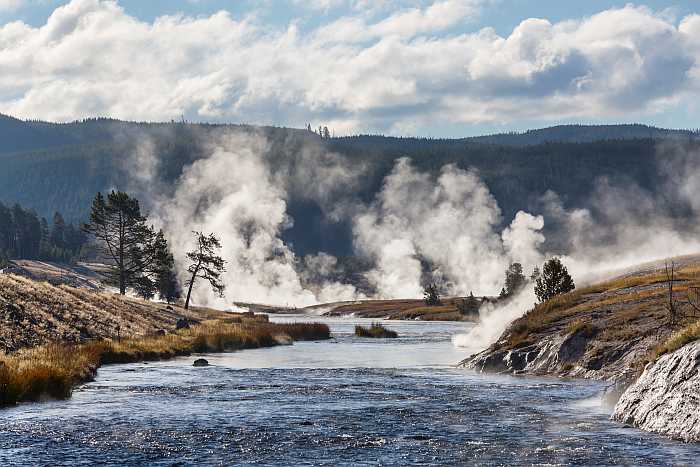
Yellowstone National Park (Photo: Envato)
Finding Kosher Food at National Parks
Here’s a practical guide for finding kosher food while visiting some of the most popular U.S. national parks:
- Plan Ahead: Do your research before the trip. We’ve looked into several top national parks and included tips to make your planning easier.
- Bring Your Own Food: Kosher restaurants are rare near national parks, so plan to bring food with you. Stock up on groceries in nearby cities, and if you're staying in an Airbnb or rental cabin, you can kasher the kitchen and cook your own meals.
- Tap Local Resources: Reach out to the nearest Chabad house or local Jewish community. They may offer kosher items for sale—or at least let you know where to find kosher meat or chicken in the area.
- Pack the Essentials: Bring non-perishable, travel-friendly foods like tuna packets, PB&J, granola bars, crackers, canned goods, and dried fruit. Most of this can be picked up at major supermarkets before you enter the park area.
- Keep It Cold: A reliable cooler is a must if you’re bringing dairy products or meats. Some travelers even use dry ice for longer trips.
- Cook on the Go: If your park or rental allows it, bring a small portable stove, grill, or electric burner to prepare hot meals along the way.
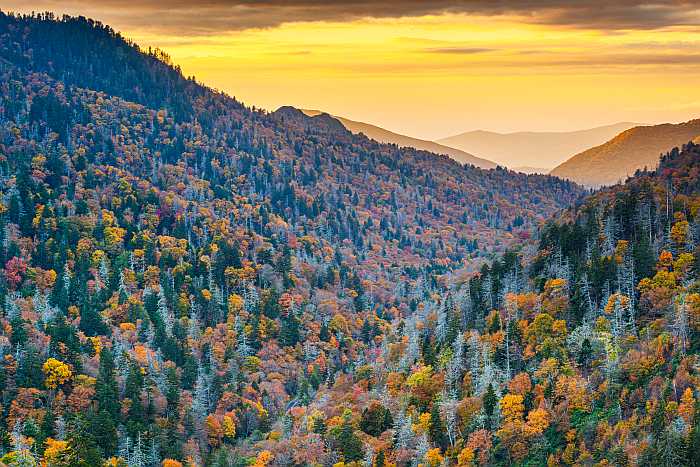
Great Smoky Mountains National Park (Photo: Envato)
Discovering Kosher Food Options at the Top 10 Most Visited National Parks in 2024
1. Great Smoky Mountains National Park (North Carolina/Tennessee)
Still holding its title as the most visited national park, the Great Smoky Mountains offer lush forests, waterfalls, and scenic drives. While there are no kosher establishments in the park itself, Chabad of Knoxville is located about an hour away and is a helpful resource. They can guide you to local supermarkets that carry kosher meat, dairy, and pantry staples.
Tip: Stop in Knoxville before heading to the park to stock up on kosher groceries, especially if you're planning to cook in a cabin or rental nearby.
2. Zion National Park (Utah)
Zion maintained its spot as the #2 most visited national park in 2025, and it’s easy to see why. With its dramatic red rock cliffs, scenic drives, and iconic hikes like Angels Landing, it continues to draw record crowds. The closest major city is St. George, about an hour away, where Chabad of Southern Utah offers Shabbat meals (with advance reservation) and can guide you to local stores that stock kosher products.
Bonus: Zion makes a great base for a wider Utah adventure. Bryce Canyon is just 2 hours away, and the North Rim of the Grand Canyon is about a 3-hour drive.
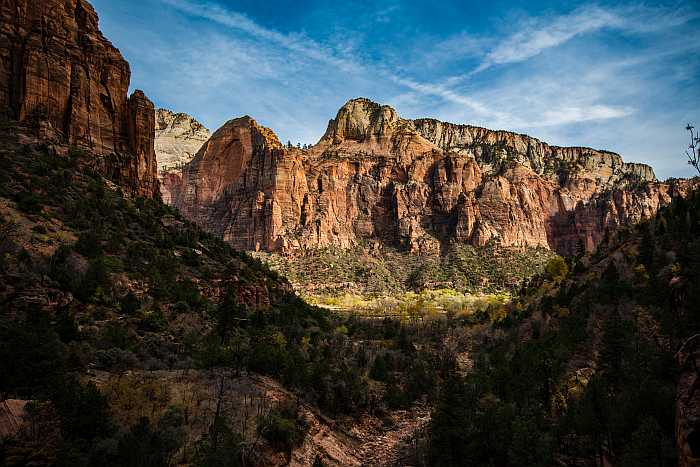
Zion National Park (Photo: Envato)
3. Yellowstone National Park (Idaho, Montana, Wyoming)
Yellowstone moved up to the #3 spot in 2025 and remains one of the most visited parks, thanks to its geysers, hot springs, and roaming bison. The most convenient airport is Jackson Hole, just outside Grand Teton National Park, which connects directly to Yellowstone’s southern entrance. In Jackson, you’ll find the Chabad of Wyoming, which offers Shabbat meals and kosher takeout with 48-hour advance notice. Local supermarkets in the area also carry some kosher items.
Tip: Yellowstone and Grand Teton National Park are right next to each other—many travelers visit both in one trip.
4. Grand Canyon National Park (Arizona)
The Grand Canyon moved down to the #4 spot in 2025, but it’s still one of the most iconic parks in the U.S. You can fly into several airports—Flagstaff is the closest (about 1.5 hours away), and it’s home to the Chabad of Flagstaff – Molly Blank Jewish Community Center, which offers Shabbat meals, kosher groceries, and even prepared gourmet meals through Kosher Canyon.
For more kosher options and a broader vacation experience, consider flying into Las Vegas or Phoenix. Both cities offer kosher restaurants and attractions, and the scenic drive from Phoenix to the South Rim is especially beautiful.
Bonus: If you're coming from Phoenix, consider stopping in Sedona for hiking, red rock views, and photo ops—it's along the way and well worth the detour.
Bonus: If you're coming from Phoenix, consider stopping in Sedona for hiking, red rock views, and photo ops—it's along the way and well worth the detour.
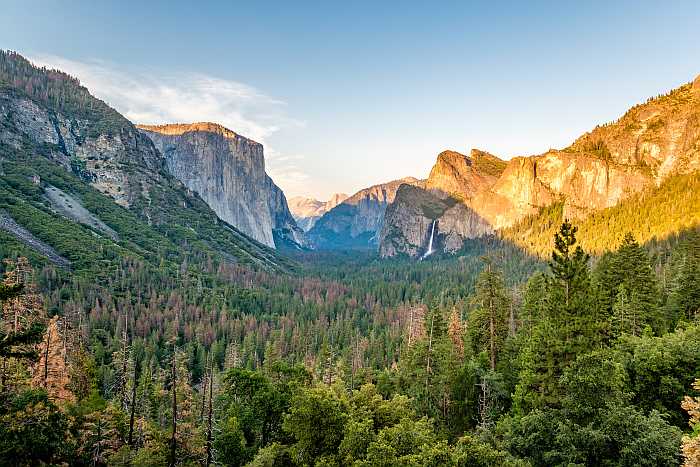
Yosemite National Park (Photo: Envato)
5. Yosemite National Park (California)
Yosemite moved up to the #5 spot in 2025 and has earned its place as one of America’s most legendary parks, with jaw-dropping scenery that includes granite cliffs, waterfalls, and ancient sequoias. You can fly into Fresno or Mammoth Lakes, depending on the season. Just be aware: Tioga Pass, the road connecting Mammoth to Yosemite’s eastern entrance, often remains closed until late spring or early summer—sometimes as late as July—due to snow.
In Fresno, local supermarkets carry kosher products, and Chabad of Fresno offers kosher catering with advance notice. Chabad of Mammoth Lakes can also be a helpful resource if you're coming from the east side.
Tip: If you’re visiting in spring or early summer, double-check road conditions—your access point into Yosemite may depend on which side of the Sierra Nevada you’re coming from.
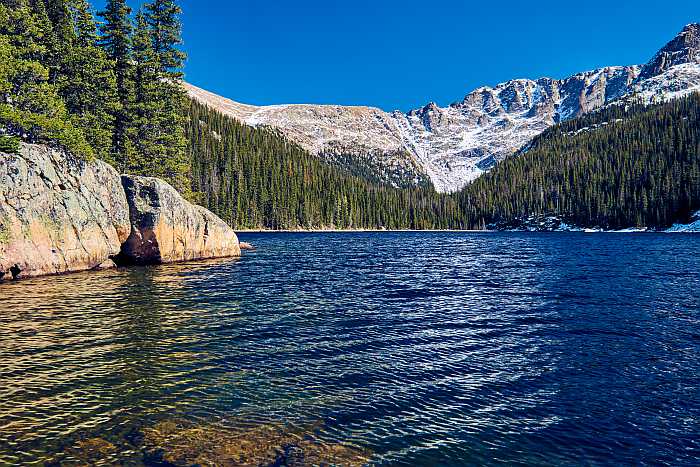
Rocky Mountain National Park (Photo: Envato)
6. Rocky Mountain National Park (Colorado)
Rocky Mountain National Park moved down to the #6 spot in 2025, but it remains a favorite for its alpine lakes, hiking trails, and incredible wildlife. Just 1.5 to 2 hours from Denver, it’s one of the most accessible mountain parks in the U.S.
Denver is the best base for kosher travelers, with several kosher restaurants, bakeries, and well-stocked supermarkets, perfect for picking up supplies before heading into the mountains.
Denver is the best base for kosher travelers, with several kosher restaurants, bakeries, and well-stocked supermarkets, perfect for picking up supplies before heading into the mountains.
Tip: If you're staying in Estes Park (a popular gateway to the park), consider bringing a cooler and a small cooking setup—there are no kosher options once you leave Denver.
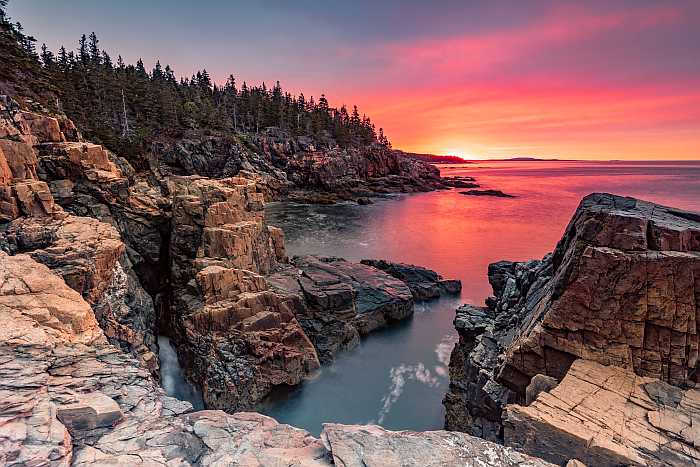
Acadia National Park (Photo: Envato)
7. Acadia National Park (Maine)
Acadia held steady at the #7 spot in 2025 and continues to draw visitors with its rugged coastlines, forested trails, and scenic ocean views. Located in Bar Harbor, the park is easy to access, with the nearest airport just outside town. While there’s no Chabad in Bar Harbor itself, local supermarkets carry a limited selection of kosher items, and the Shore Path Cottage, a kosher bed and breakfast, is just minutes from the park. It’s open May through October and books up quickly, so plan ahead.
Another option is to fly into Bangor, about an hour away. There, you’ll find a Chabad center and multiple supermarkets with kosher food. Bangor also makes a great stop for museums, restaurants, and other attractions before heading to the coast.
Tip: If you're staying in Bar Harbor, bring a cooler or plan your meals in advance—once you're in town, kosher options are limited and seasonal.
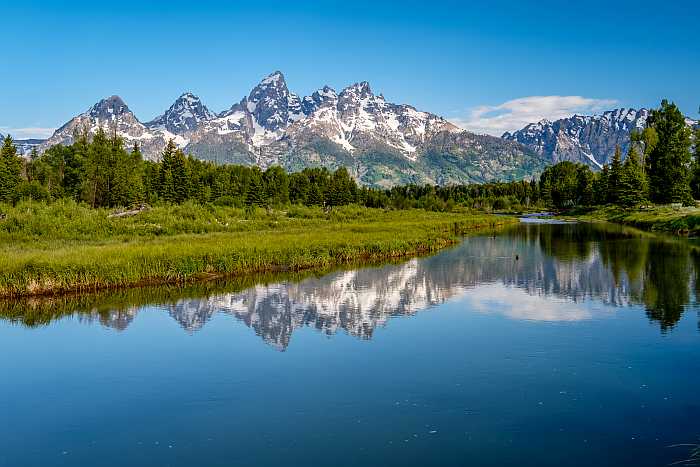
Grand Teton National Park (Photo: Envato)
8. Grand Teton National Park (Wyoming)
Grand Teton is back in the #8 spot in 2025 and remains a favorite for its dramatic mountain views and outdoor adventures. Just a 10-minute drive from the Chabad of Wyoming in Jackson and about 30 minutes south of Yellowstone, it's a convenient and scenic stop—especially if you're planning to visit both parks.
Beyond the views, Grand Teton is a haven for active travelers. Go hiking, white-water rafting, kayaking, or even water-skiing on Jackson Lake.
Tip: Jackson is your best bet for kosher support in the area. Stock up on groceries there, and reach out to Chabad in advance if you’d like Shabbat meals or kosher takeout.
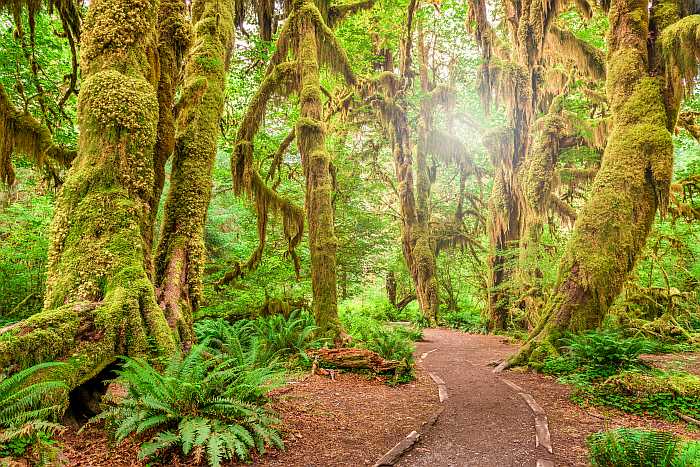
Olympic National Park (Photo: Envato)
9. Olympic National Park (Washington)
Olympic moved down to the #9 spot in 2025 but continues to stand out for its diverse landscapes, including rugged coastline, temperate rainforests, and alpine peaks all in one park. It’s about a 2.5-hour drive from Seattle-Tacoma Airport, making it an easy addition to a Seattle-based trip.
Seattle is a great place to stock up on kosher food before heading out. The city has kosher restaurants, markets, and catering services, plus plenty of attractions to round out your vacation.
Tip: Consider spending Shabbat in Seattle before or after your time in the park—it's one of the strongest kosher hubs in the Pacific Northwest.
10. Glacier National Park (Montana)
Glacier held onto its spot at #10 in 2025, continuing to draw millions of visitors to its rugged landscapes and hiking trails. Set amid the dramatic Rocky Mountains in northern Montana, Glacier is known for its glacier-carved valleys, sparkling alpine lakes, and epic vistas. It’s a wilderness lover’s dream.
The nearest Chabad is Chabad of the Flathead Valley in Kalispell (about a 30–45 minute drive from the park). They offer Shabbat meals, services, information, and guidance for kosher travelers. Additionally, local supermarkets in Kalispell and Whitefish stock kosher essentials, making it easy to shop before heading into the park.
Tip: Glacier uses a vehicle reservation system for Going‑to‑the‑Sun Road during peak season to ease congestion—check in advance and plan your kosher food shopping accordingly, ideally a day before your drive.
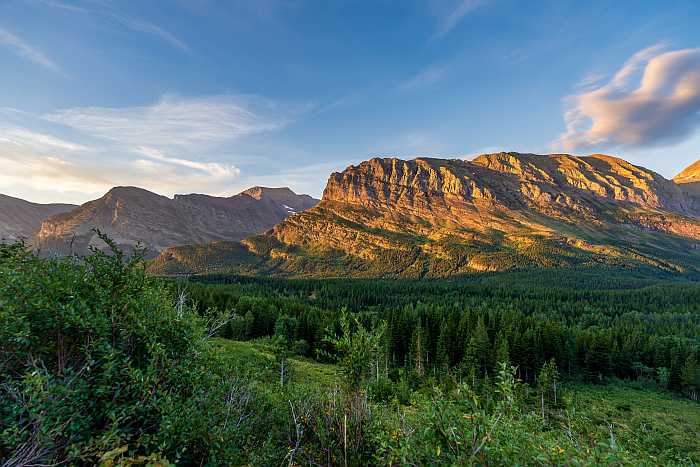
Glacier National Park (Photo: Envato)
Honorable Mention – Joshua Tree National Park (California)
Joshua Tree sits just outside the top 10 but remains a popular destination, especially in the cooler months. The park’s surreal desert landscape, hiking trails, and stargazing opportunities draw visitors year-round.
Joshua Tree is conveniently close to Palm Springs and Rancho Mirage, making it relatively easy to find kosher food. Chabad of Palm Springs is about an hour away, while Chabad of Rancho Mirage is just 45 minutes from the park. Both offer catering services (availability varies, so it’s best to check in advance), and local supermarkets carry kosher items as well.
Tip: This area is great for a multi-day trip—combine your desert hikes with time at a local resort or a visit to the Palm Springs Aerial Tramway.
Essential Tips for a Smooth National Park Adventure (Updated for 2026)
- Entrance Passes: Most national parks require an entrance pass. If you’re visiting more than a couple of parks in a year, the America the Beautiful Annual Pass ($80) is worth it. It covers entry fees at over 2,000 federal recreation sites. Purchase or learn more on the official NPS site
- Vehicle Reservations & Timed Entry: Some parks (like Glacier, Yosemite, and Arches) require a separate timed-entry or vehicle reservation, even if you have a valid pass. These are managed through Recreation.gov. Reservations often open months in advance and fill quickly—plan ahead.
- Check for Real-Time Updates: Always visit the National Park Service website before your trip for the latest on road closures, wildfire alerts, weather conditions, and construction delays. Some parks also post live webcam feeds and social media alerts.
- Cell Reception is Still Spotty: Most national parks still have little to no reception. Download maps offline ahead of time (Google Maps, Gaia GPS, or AllTrails). Paper maps from visitor centers are still helpful too.
- Bring the Basics—and Then Some: Stock up on water, sunscreen, bug spray, hats, and layered clothing. Many areas experience sudden weather shifts, especially in high elevations.
- Accommodations Fill Up Fast: Lodges, cabins, and even campgrounds inside or near national parks are often booked months in advance. Look for nearby Airbnb or vacation rental options if park lodging is full—and if you're koshering a kitchen, confirm the setup in advance.
- Don't Skip the Park App: Many parks now use the NPS App, which offers offline maps, audio guides, and trail info. It’s helpful if you’re navigating without cell service.
- Kosher Food Planning: Kosher options near national parks remain limited and often seasonal. Shop in nearby cities, bring a cooler, and consider bringing a portable burner or grill for simple meals on the go.